

Emerging Skill Demands and Future Job Opportunities in IT
 Jun 24, 2025

RWn. Mohit Savliya
Subject Matter Expert
Abstract
The IT industry is undergoing significant transformation as advances in artificial intelligence (AI), automation, cloud computing, cybersecurity, and interdisciplinary collaboration reshape workforce requirements. This paper synthesizes global surveys, industry reports, and academic research to identify the most sought-after technical and soft skills, highlight evolving job roles, explore regional trends—particularly India—and propose strategic approaches for education and reskilling. The aim is to provide actionable insights and recommendations for learners, educators, and employers preparing for the next decade.
1. Introduction
Rapid digitalisation, economic volatility, and the urgency for innovation are fundamentally altering workforce dynamics in IT. The convergence of AI, big data, and sustainability has created demand for a new skill set, broadening the definition of employability beyond technical mastery to include adaptability, ethical reasoning, and cross-functional collaboration.
As organisations transition to remote and hybrid work models, interdisciplinary talent and agile skill sets are now indispensable for organisational resilience.
2. Methodology
This study draws from 2025 reports by the World Economic Forum, LinkedIn, Coursera, SGA Analytics, Toggl, and NASSCOM, as well as scholarly preprints and educational strategy documents. Quantitative data—job posting statistics, skill premium analysis, and survey results—is supplemented with qualitative literature from leading technology companies, academic institutions, and regional analyses focusing on the Indian market.
3. Most In-Demand Skills (2025–2030)
3.1 Technical Skills
- Artificial Intelligence and Generative AI: Prompt engineering, LLM fine-tuning, and AI risk governance are critically important as generative models are embedded across domains and industries. AI roles have grown over 70% year-on-year, with demand for talent outstripping supply in both India and the West.
- Cybersecurity: Remote work and cloud adoption have made robust security (ethical hacking, cloud security, and regulatory compliance) business-essential. Demand for cybersecurity professionals is projected to increase by 25–35% annually through 2030.
- Cloud Computing and DevOps: Skills in AWS, Azure, GCP, and deployment automation are highly valued, as businesses migrate more of their infrastructure to the cloud. DevOps practices are now mainstream, and backend engineers are routinely sought globally.
- Data Analytics and Visualisation: The capability to analyse, visualise, and act upon large datasets using Python, Power BI, Tableau, and SQL drives better strategic decisions in business, healthcare, logistics, and government.
- UX/UI Design and Front-End Development: With digital products becoming central to customer experience, interdisciplinary skills in Figma, accessibility design, HTML/CSS/JS, and interaction design are increasingly sought by startups and MNCs alike.
3.2 Soft & Cognitive Skills
Analytical and critical thinking, strong leadership, social influence, emotional intelligence, resilience, agility, and ethical awareness are among the top priorities for talent acquisition in IT. Employers report that blended teams—those combining technical and behavioural competencies—achieve better performance outcomes.
4. Future Job Roles and Market Gaps
4.1 Emerging Roles
- AI Ethicist & Prompt Engineer: These are among the newest critical roles, necessary to ensure fair, safe, and transparent AI deployment. Organisations seek talent able to bridge technical and human-centric challenges as large language models become ubiquitous.
- Cybersecurity Analyst (GenAI-driven Threats): Attack surfaces are rapidly evolving, driving demand for analysts specialising in AI-driven defence and threat intelligence.
- Remote Team Facilitator: The shift to distributed organisations requires specialists in digital collaboration, conflict resolution, and project management.
- GIS Data Scientist & Sustainability Manager: Environmental, social, and governance (ESG) imperatives and geospatial intelligence are creating new job profiles within technology and allied sectors.
These roles are expected to see compound annual growth rates of up to 30% globally, with regional variations.
4.2 Gaps and Challenges
- India’s GenAI Uptrend: India leads globally in GenAI course enrollments but lags in enterprise implementation, citing a 25–30% skills mismatch. Only a fraction of IT graduates meet the evolving requirements, leading to significant underemployment and missed opportunities.
- Semiconductor Engineering Shortage: While global job openings in semiconductors have dipped temporarily, niche expertise in VLSI, process, and hardware design continues to fetch premium salaries.
- Global Energy Sector: Despite broad consensus on upskilling, less than one-third of organisations invest adequately in reskilling, risking critical operational gaps as technology advances.
5. Educational and Workforce Strategies
5.1 Curriculum Redesign
Educational institutions and policy frameworks are evolving, with interdisciplinary modules, applied capstone projects, and soft-skill training embedded within STEM curricula.
New-age life skills programs are emphasising time management, teamwork, conflict resolution, and communication—preparing graduates for complex, multi-stakeholder environments.
5.2 Reskilling Initiatives & Access
Industry and academia are partnering for rapid reskilling through micro-credentials, modular certifications, professional workshops, and teacher training programs.
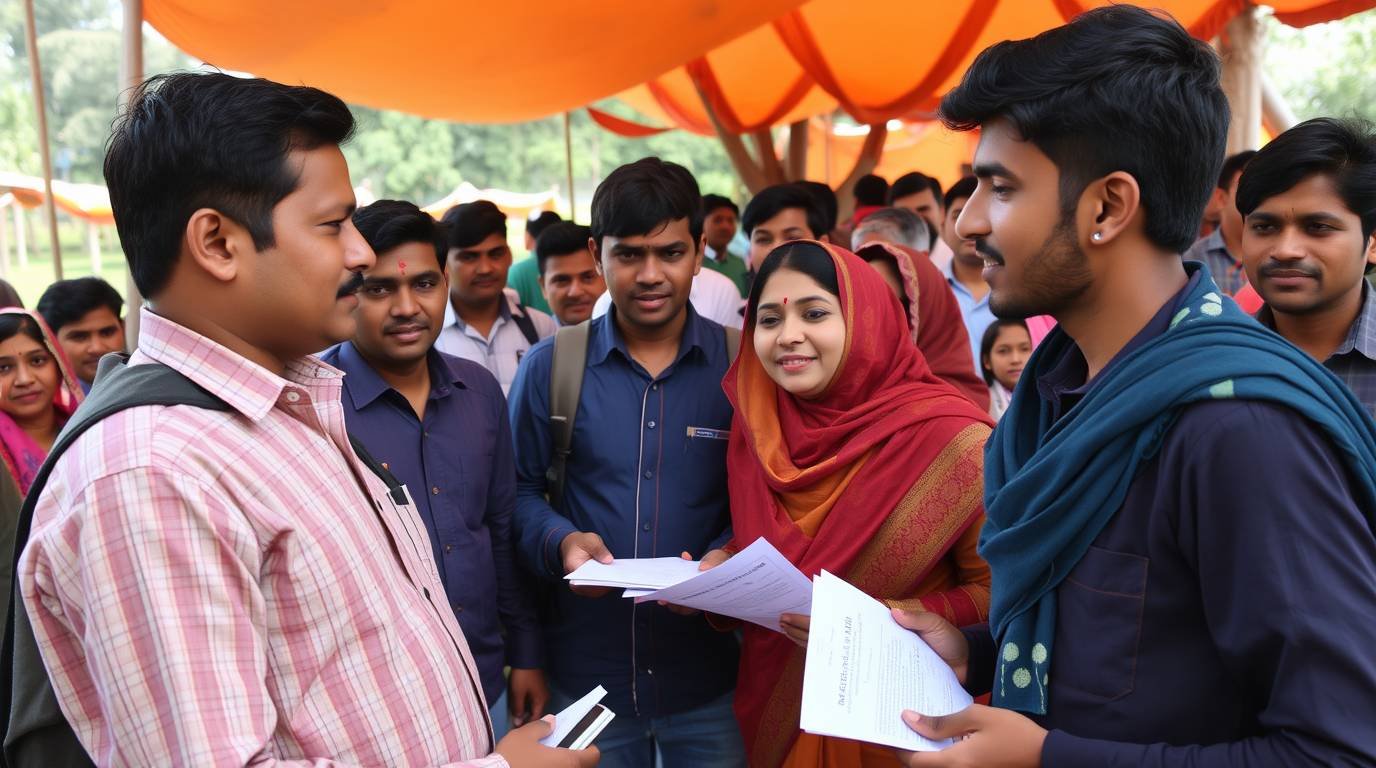
Targeted interventions for women and rural communities are being rolled out, with a focus on overcoming digital literacy and infrastructure gaps.
Leading platforms such as LinkedIn and Coursera report 40–50% increases in enrollment for upskilling programs relevant to AI, cybersecurity, and cloud computing.
5.3 Policy Recommendations
Policymakers and industry leaders are urged to:
- Fund digital infrastructure and education access in rural areas.
- Encourage gender-neutral, inclusive content creation.
- Invest steadily in teacher upskilling and lifelong learning pathways.
6. Regional Analysis: India’s IT Sector
India remains a global leader in technical talent but faces a paradox—high learning enthusiasm but lagging enterprise readiness. Bengaluru, Pune, and Hyderabad dominate recruitment, but job creation is increasingly dispersed thanks to remote and hybrid work.
Government and private sector initiatives are slowly bridging the skills gap, but more targeted action is necessary for rural and underrepresented groups.
7. Conclusion
The next five years in IT will see an intense demand for AI, cybersecurity, cloud, data analytics, and automation skills, complemented by cognitive and leadership attributes. Regional disparities and demographic-specific gaps require urgent attention.
A partnership approach—linking academia, government, and industry—will be vital for building resilient, adaptable, and future-proof IT talent.
8. References
- Lingayas Vidyapeeth (2025). The Most In-Demand Tech Skills.
- SGA Analytics (2025). 10 High-Demand Skills for the Future.
- Coursera (2025). High-Income Skills.
- GeeksforGeeks (2025). Top Skills to Learn in 2025.
- LinkedIn (2024). Top 10 IT Jobs for 2030.
- Unitedcode.net (2025). Tech Job Market Outlook.
- Persol India (2024). Navigating India’s IT Talent Shortage.
- Ishir (2025). Tech Jobs Trends for 2025.
- Acarasolutions. in (2025). Demand for Tech Talent in India.
Authored by Mohit Savaliya, UI/UX and IT Subject Matter Expert & Design Mentor
Surat, Gujarat, India
This research paper integrates current evidence, global comparisons, and practical roadmaps for education and career planning as the IT sector heads into 2030.